Bringing Back the Birds: Why Grassland Birds Are Choosing Working Ranches
May 20, 2026
Share
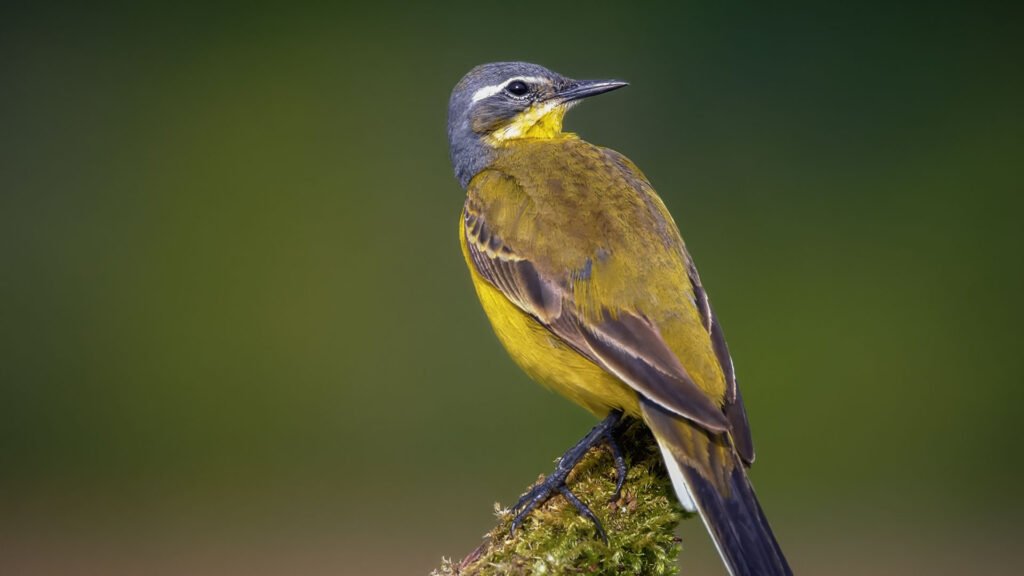
Birds are messengers. They arrive first, they leave first, and if you spend enough time on a working ranch, you learn to notice which songs are still in the air and which ones aren’t.
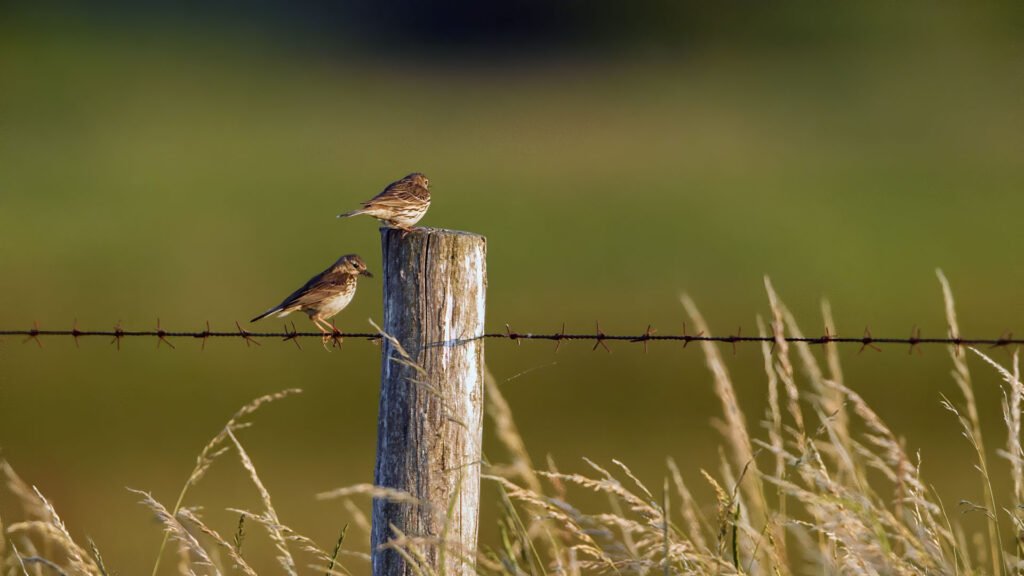
For decades, the songs have been getting quieter. The meadowlark, a bird almost everyone in grassland country recognizes, has lost an estimated 75% of its population. Grassland birds, as a group, are one of the most threatened bird populations on the continent.
“Birds tell us. And they’re telling us that we are out of balance.” — Richard Gibbons,Audubon Director of Conservation, TX
But on ranches practicing adaptive, regenerative grazing, another story is playing out. A quieter one. The birds are coming back.
From 8 Species to 150
When Katie & Taylor Collins first purchased their property, they did what careful stewards do: set a baseline. Katie invited the Audubon Society out to count bird species across the ranch.
The first count returned eight species.
Over the following years, the ranch shifted to adaptive grazing, moving cattle in patterns that mimic the herds of bison, elk, and deer that once shaped these landscapes. Grass recovered. Ground cover returned. Water infiltration improved. And when Audubon came back to count again, the number had changed.
“Last fall when they came out, we’re over 150 species of birds.”
That kind of shift isn’t the result of intervention. It’s the result of restraint; of managing cattle so that the land can do what the land already knows how to do.
“If we focus on producing grass, everything falls in place.”
Cattle & Bird, In Balance
The common image of cattle and wildlife is one of competition. Cattle on the land means everything else gets crowded out.
On a regeneratively managed ranch, that’s not what shows up in the data.
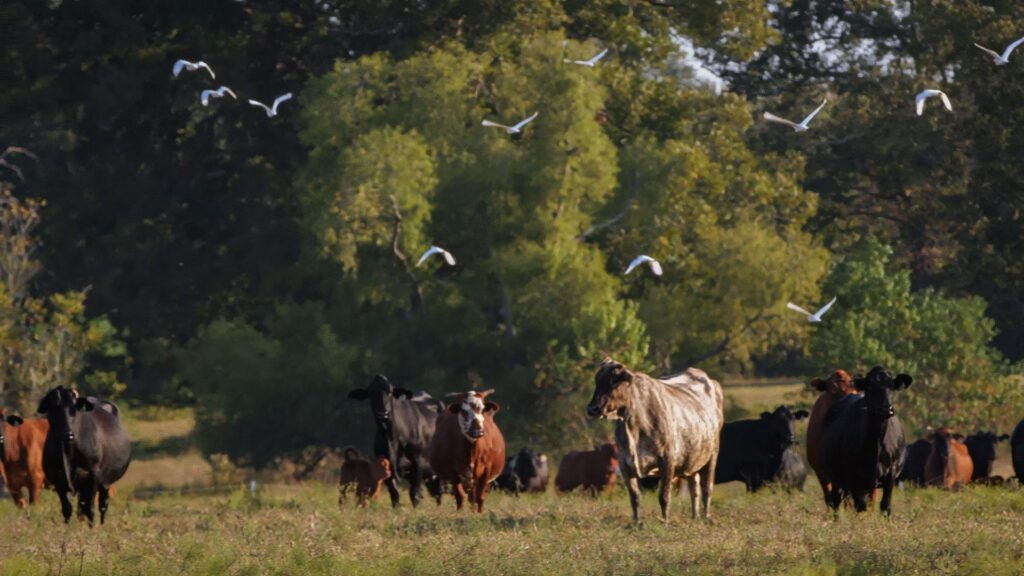
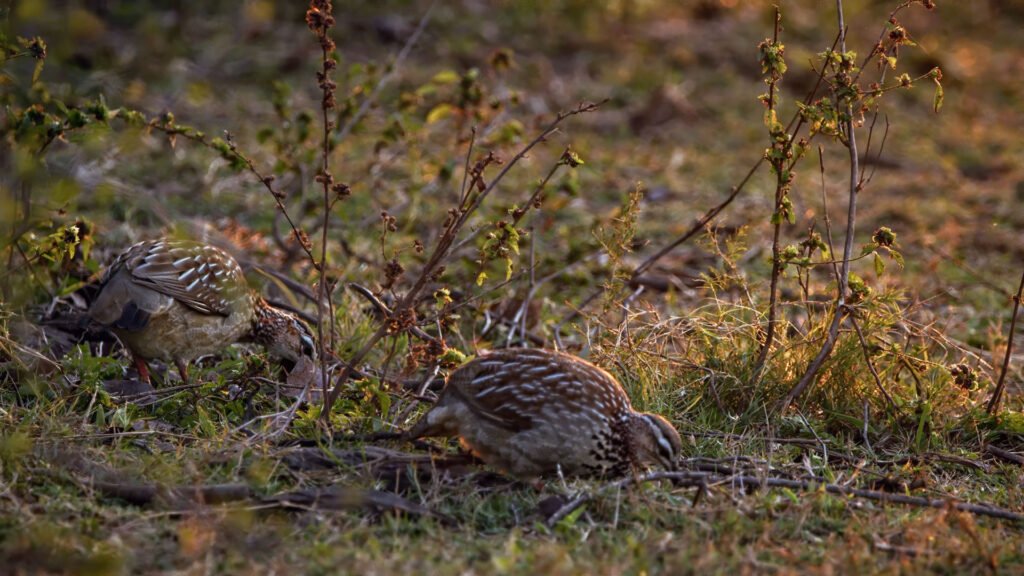
On this same property, as forage and plant diversity have increased, the ranch has actually tightened its stocking rate, going from 25 acres per cow, down to 10, and trending lower. And at the same time, quail populations have risen alongside the cattle.
“The way we work together to manage the ranch, it’s kind of like a welcome mat to wildlife. Wherever they’re coming from, they find a place that they want to stay.” —James Clement, Cattle Manager
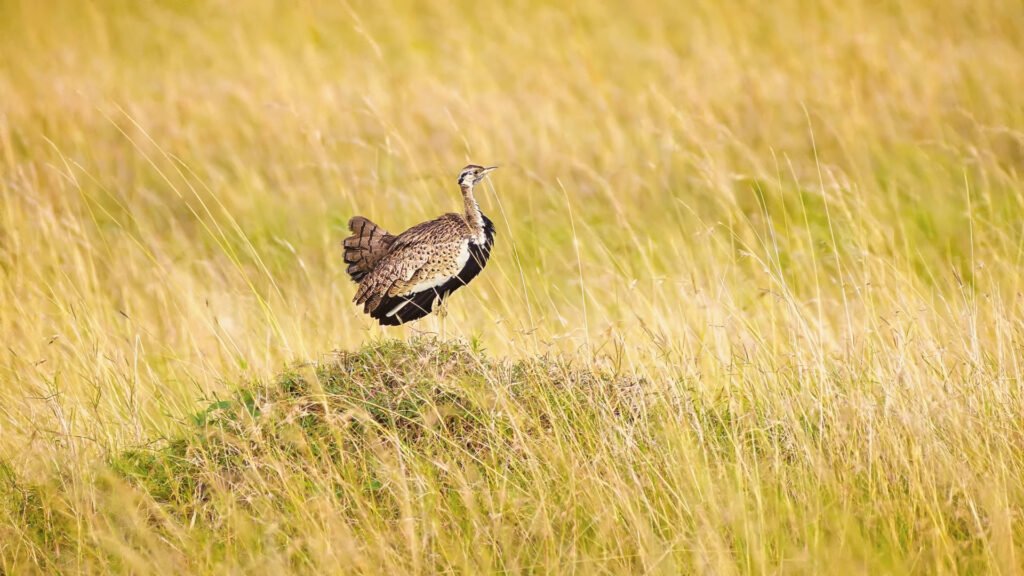
What’s happening is ecological, not accidental. Adaptive grazing creates a patchwork — pastures at different stages of recovery, each offering a different kind of habitat. Ground-nesting birds find tall cover in one paddock. Short-grass foragers find recently grazed ground in another. Species find their niche, the way they did when wild ruminants moved across the continent in what one of our partners calls “the Serengeti of the U.S.”
“We can create any type of bird habitat that is needed. For ground-nesting birds, I can use my livestock as a tool.” — Dr. Allen Williams
An Unlikely Alliance
In eastern New Mexico, there is a lesser prairie chicken preserve. No livestock allowed. No grazing.
We’ve been working with ranchers whose land immediately borders that preserve. Adaptive grazing, measured soil carbon, cattle moving through pasture.
Guess where the prairie chickens are?
“Not on the preserve. They’re on the ranches.”
Stories like that caught Audubon’s attention. The organization had historically been skeptical of grazing — in some cases actively opposed to it. But when they learned what adaptive grazing actually looks like, they asked to know more. That conversation became a partnership, and the partnership became a protocol.
“We worked with them to develop the Audubon Conservation Ranching and bird-friendly certification programs, specifically targeted at restoring habitat for ground-nesting birds.”— Dr. Allen Williams
Today, Audubon’s bird-friendly certification is one of the recognized standards for conservation ranching in the U.S. The journey from anti-grazing to co-author of the rulebook wasn’t a messaging shift. It was an evidence shift. And what’s striking, our partners tell us, is that wildlife isn’t a side effect for these ranchers. It’s part of why they transition in the first place.
Regenerative grazing may not seem like the most obvious partnership for a bird conservation organization, but it is one of the biggest non-production, non-financial reasons we see these ranchers making this transition. They love birds. They want to see birds back on their ranch.
Get Out of the Way
There’s a phrase that keeps coming up when ranchers talk about what changed for them. Not restore. Not rehabilitate. Something more humble than that.
“The land is so forgiving. The forgiveness is built into all lands. It’s our job, the stewards, to really just get out of the way, and to work with our land, as opposed to constantly working against it.” — Katie Collins, Roam Ranch
“It’s amazing that if you create the right conditions, they will come. Life begets life. All you need to do is set the stage, and all the wildlife just comes flowing in.”
That’s what the data on these ranches is showing. Deeper root systems. More ground cover. Carbon accumulating a meter down into the soil profile. And above the ground, the return of species a generation of ranchers thought they’d lost.
The Scale of the Opportunity
About 40% of the U.S. landmass is active cattle country. If we’re serious about grassland bird conservation and about the soil, water, and working families tied to those grasslands, private ranch land isn’t one solution among many. It’s the solution at the scale the problem actually lives at.
“A lot of money is spent to recreate what those hardworking families do on a daily basis. We have a unique opportunity to drive incredible impact at a scale no one’s seen before.”— Brad Tipper, CEO of Grassroots Carbon
That’s why the buyers of verified soil carbon credits matter. Every credit purchased is a direct investment into a rancher’s ability to keep practicing the kind of grazing that brings the birds back.
“People that are buying these carbon credits are doing more for the future of ranching in this country than anybody else right now.”— James Clement
“I do not want these large companies to lose sight of the impact they’re making at the ground level, because it is a direct line to benefiting the ranch.”
At Grassroots Carbon, our work begins with ranchers and with soils measured to one meter deep. But the second-order benefits, the biodiversity, the water retention, the meadowlark on the fence post that wasn’t there five years ago; those are the outcomes that keep ranchers in this work, and keep the land in working hands.
“That’s what we’re trying to do here — just work with mother nature and the architecture she provides, and create those conditions.”— Taylor Collins, Roam Ranch
The birds are telling us something. On working lands managed with care, they’re telling us it’s working.
Filmed on partner ranches across Texas. Featuring Roam Ranch, Sneary Cattle Ranch, Rancho Juntos, Richard Gibbons from The Audubon Society, and Dr. Allen Williams.
To provide the best experiences, we use technologies like cookies to store and/or access device information. Consenting to these technologies will allow us to process data such as browsing behavior or unique IDs on this site. Not consenting or withdrawing consent, may adversely affect certain features and functions.
Functional
Always active
The technical storage or access is strictly necessary for the legitimate purpose of enabling the use of a specific service explicitly requested by the subscriber or user, or for the sole purpose of carrying out the transmission of a communication over an electronic communications network.
Preferences
The technical storage or access is necessary for the legitimate purpose of storing preferences that are not requested by the subscriber or user.
Statistics
The technical storage or access that is used exclusively for statistical purposes.The technical storage or access that is used exclusively for anonymous statistical purposes. Without a subpoena, voluntary compliance on the part of your Internet Service Provider, or additional records from a third party, information stored or retrieved for this purpose alone cannot usually be used to identify you.
Marketing
The technical storage or access is required to create user profiles to send advertising, or to track the user on a website or across several websites for similar marketing purposes.
By clicking “Accept”, you agree to the storing of cookies on your device to enhance site navigation, analyze site usage, and assist in our marketing efforts. View our Privacy Policy for more information.
Functional
Always active
The technical storage or access is strictly necessary for the legitimate purpose of enabling the use of a specific service explicitly requested by the subscriber or user, or for the sole purpose of carrying out the transmission of a communication over an electronic communications network.
Preferences
The technical storage or access is necessary for the legitimate purpose of storing preferences that are not requested by the subscriber or user.
Statistics
The technical storage or access that is used exclusively for statistical purposes.The technical storage or access that is used exclusively for anonymous statistical purposes. Without a subpoena, voluntary compliance on the part of your Internet Service Provider, or additional records from a third party, information stored or retrieved for this purpose alone cannot usually be used to identify you.
Marketing
The technical storage or access is required to create user profiles to send advertising, or to track the user on a website or across several websites for similar marketing purposes.