Crescent C Ranch spans 10,500 acres in La Salle County, Texas, within the South Texas Plains ecosystem. The land,
originally part of the Callaghan Ranch and later owned by Judge Coquat, was acquired by the Biedenharn family in
the 1980s, maintaining the Coquat brand of the Crescent C.
Under the management of Albert Biedenharn in the 1990s,
the ranch continued its long tradition of running cattle, but wildlife and hunting were always a major enterprise
and source of value in the region. Over time, however, increasing brush encroachment across the area led to a
noticeable decline in the ranch’s carrying capacity and overall cattle productivity. As these environmental
changes took
hold, the business naturally leaned more heavily into wildlife and hunting, which remained more viable. This shift
highlighted the need for a new approach to restore ecological balance and support both enterprises.
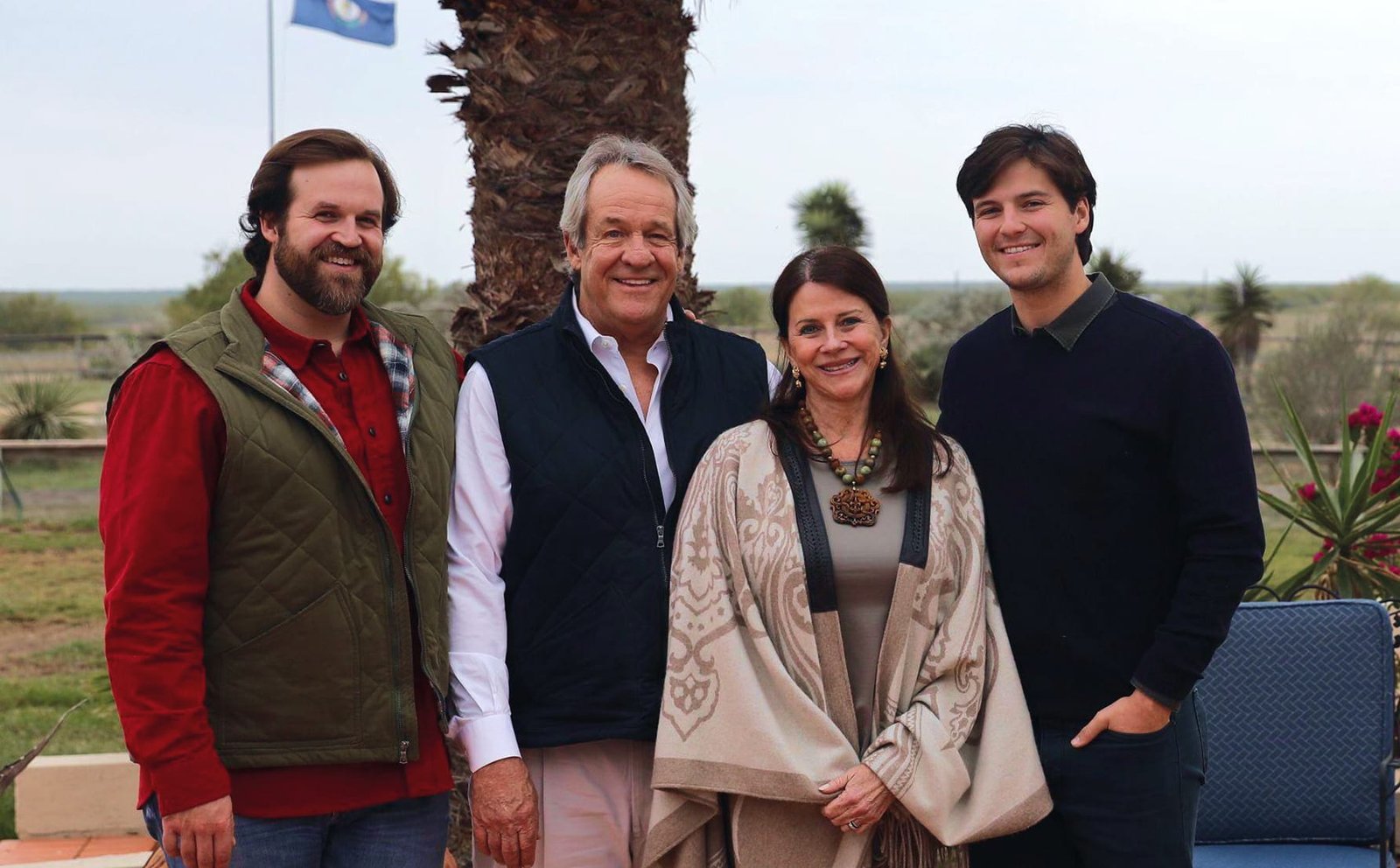
Today, Kathy Biedenharn owns and oversees the ranch,
while her son, Christian Biedenharn, leads operational transformation efforts with the goal of using cattle as a
tool to restore ecological balance
to the benefit of both livestock and wildlife. Crescent C Ranch reached a significant turning point in 2022 with
the passing of Albert Biedenharn.
His deep connection to the land and dedication to its
care shaped the ranch’s foundation. His loss prompted
a reassessment of the ranch’s financial health and
long-term sustainability, with a renewed commitment to honoring his legacy by improving the land and ensuring
the ranch’s future prosperity.
In 2023, the ranch recognized the need for fundamental changes to address soil degradation, brush encroachment,
and
declining forage production. For Crescent C Ranch, partnering with GRC means more than just revenue—it represents
a
validation of holistic grazing as a key component of grassland ecosystem health. This program provides direct
economic incentives to manage the land
in a way that mimics nature, reinforcing the importance
of ruminants in maintaining biodiversity and soil health.
By implementing adaptive grazing, Crescent C Ranch is effectively being paid to ranch better, ensuring both
ecological and financial sustainability.
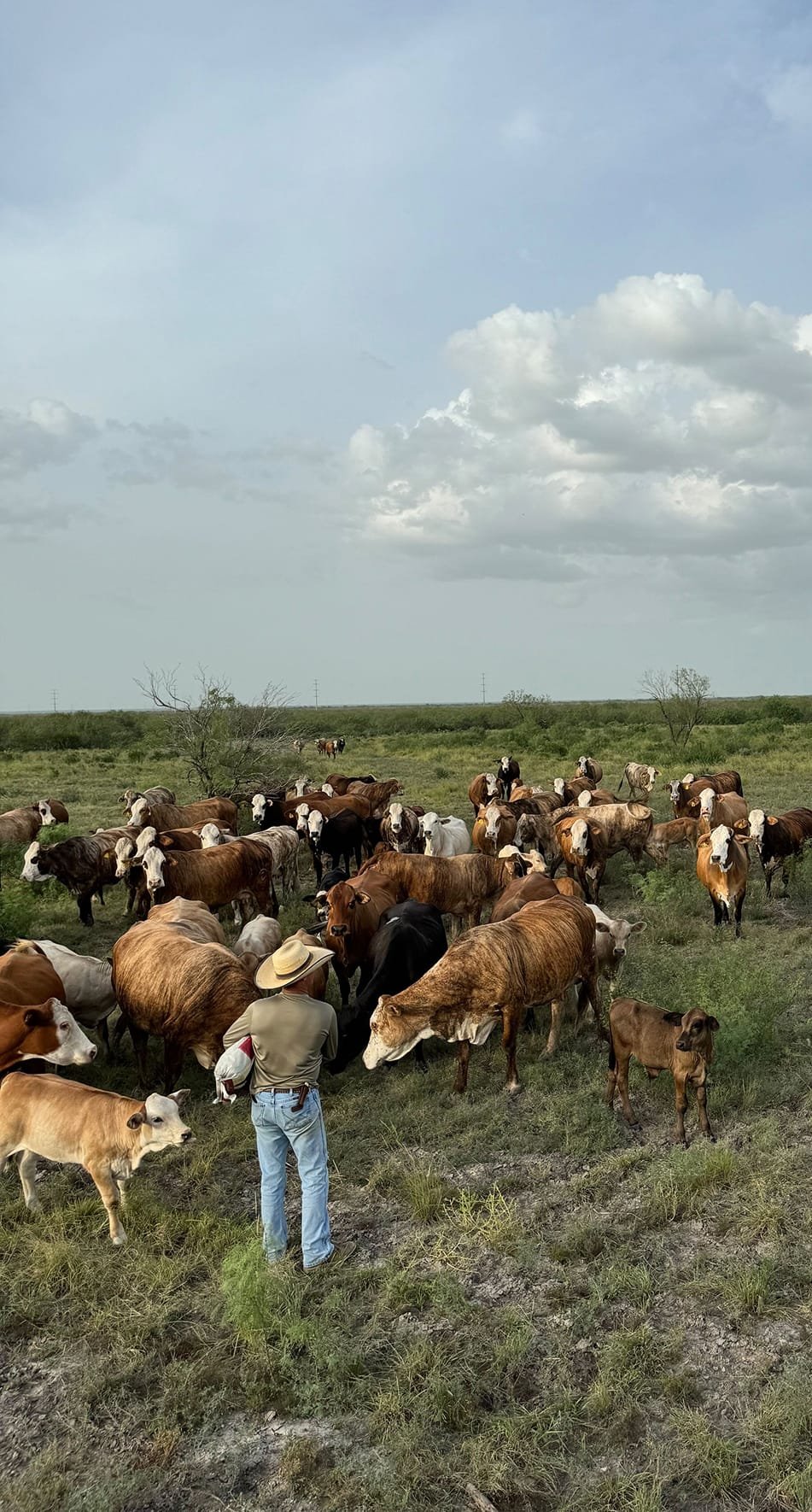
Crescent C Ranch, a large-scale ranch situated in South Texas, is taking strides toward
sustainable ranching practices.
With 10,500 acres of land, the ranch has been dealing with long-standing brush management challenges and looking
for ways to improve land management,
restore historic grasslands and ecosystem function, and benefit from ecosystem services, particularly carbon
credits.
Crescent C faced several challenges related
to their traditional land management practices. They historically employed conventional methods like roller
chopping and discing to manage brush and improve grass growth. However, they recognized that these practices
were
only short-term solutions and could lead to worse long-term problems. Specifically,
while removing shrub and canopy provided
a short term boost in forage production, mechanical disturbance strategies were causing an increase over time.
Furthermore, Crescent C was interested in pursuing new management strategies that would not only
be more sustainable but also provide financial incentives through ecosystem service payments and carbon credit
generation.

Legal/logistic eligibility
GRC confirmed Crescent C was legally eligible for the program, meeting all regulatory requirements.

Land eligibility
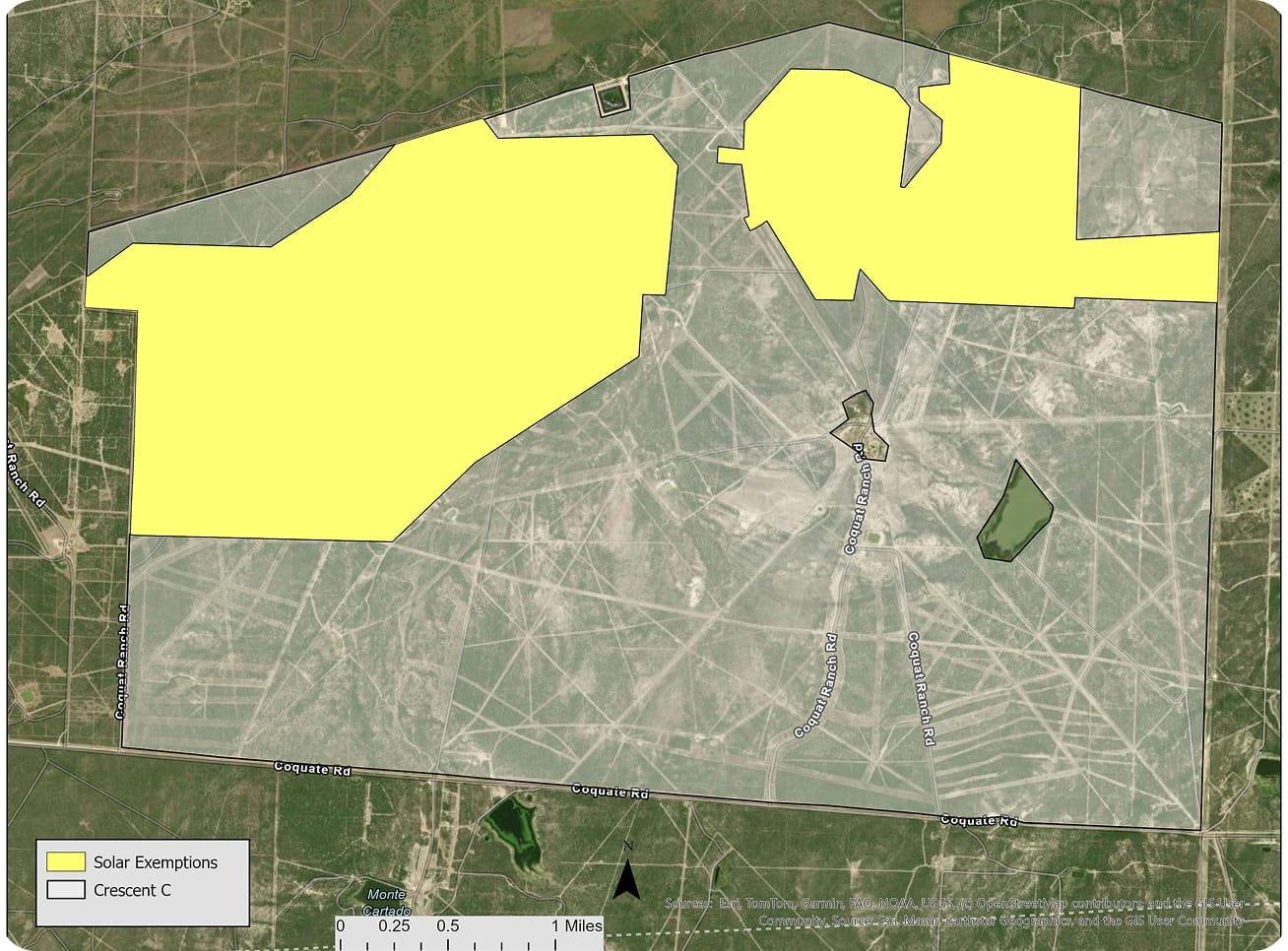
The ranch had 6,755 eligible acres for carbon credits, factoring in land exclusions such as the solar lease and areas with buildings or wetlands.

Project feasibility
Preliminary modeling showed strong carbon sequestration potential, especially when combined with practice change implementation.
The program provided a clear financial incentive for Crescent C to implement a new
grazing and land management system, which was expected to improve soil health, enhance carbon sequestration, and
restore the land for future generations.
Soil Testing and Management Adjustments
GRC partnered with Earth Optics to conduct a soil sampling and analysis process. The ranch was guided through
designing a comprehensive soil sampling plan, which identified areas with varying soil characteristics.
The laboratory analysis, utilizing industry-leading methods, will provide invaluable data to guide the transition to regenerative land practices.
The laboratory analysis, utilizing industry-leading methods, will provide invaluable data to guide the transition to regenerative land practices.
The soil tests focused on:

These insights allow Crescent C to make data-driven decisions and establish a solid foundation for their new management practices.

Soil Organic Carbon (SOC) levels.

Bulk Density

Soil Texture

PH Levels
01
Frequency
Averaging 360 days of rest.
Never grazing without recovery.
02
Timing
Year-round grazing with consideration for drought conditions.
03
Intensity
Adjusting stocking density based on rainfall and forage availability.
04
Duration
Grazing periods average 2-3 days.
| Baseline Pre-GRC | GRC Project | |
|---|---|---|
| Grazing Practices | Conventional grazing | AMP Grazing |
| Rest | 0-180 days | 360 days |
| Rotation | Little to none, continuous grazing |
Daily moves |
| Stocking Density | Low 1 AU/27 acres |
High 1 AU/0.33 acres |
| SOC | declining | increasing |
Changes in Crescent C
Practice Change
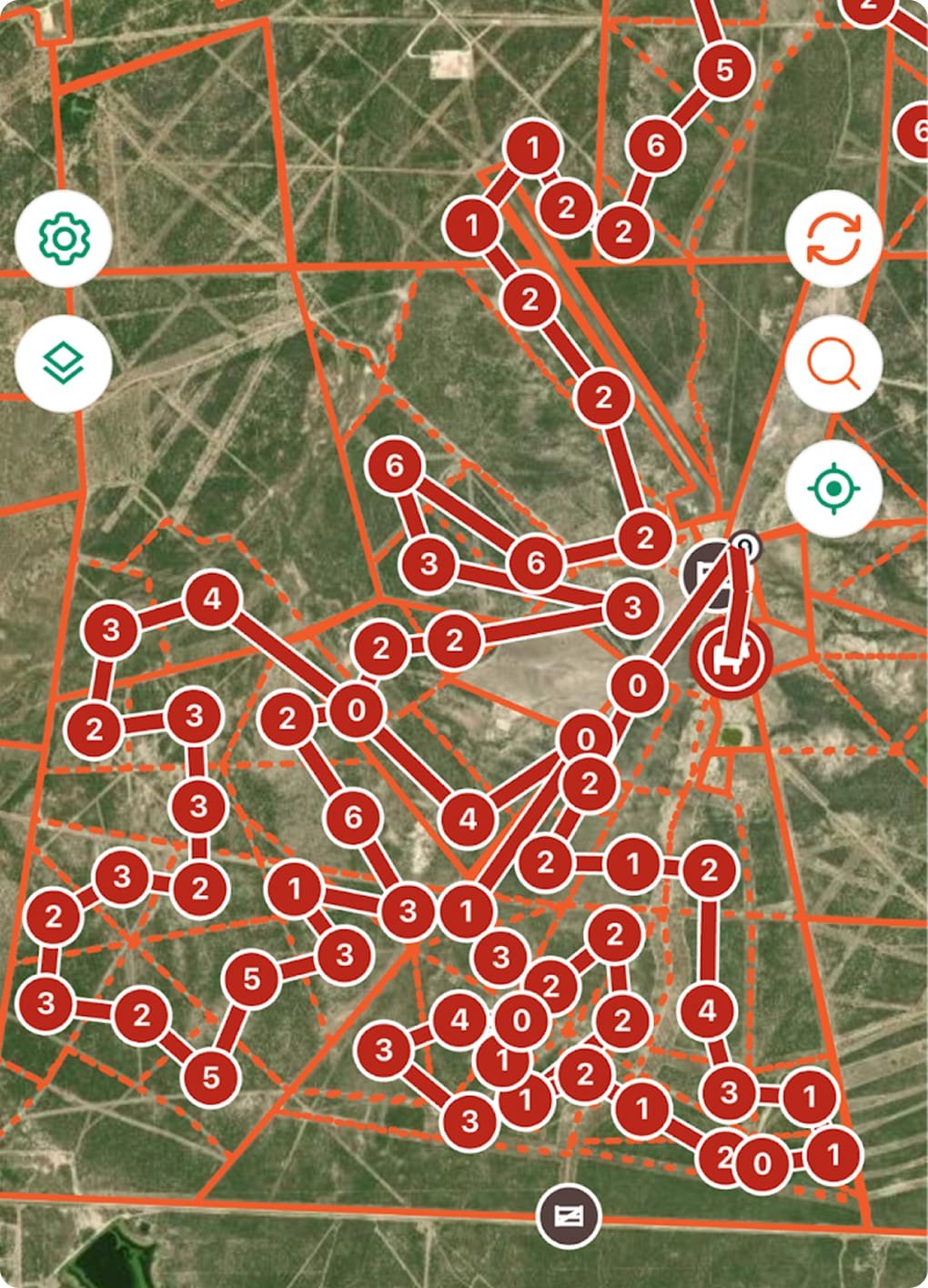
The key to Crescent C's participation in the carbon program is implementing measurable and verifiable practice changes. GRC guided Crescent C to reduce the average paddock size by 20%, increasing the number of rest days for each paddock by 2-3 times.
The ranch also consolidated herds, reducing the total number of herds by 80% (from 5 to 1) and drastically cutting the use of dewormers and herbicides by over 50%.
Baseline
The Future
Crescent C Ranch’s partnership with GRC is a successful example of how traditional ranching practices can evolve to meet the demands of sustainability and carbon sequestration. By transitioning to regenerative management practices and participating in a carbon credit program, Crescent C is not only improving the health of its land but also positioning itself as a leader in the environmental stewardship space. With continuous support from GRC and a commitment to sustainable practices, Crescent C is poised for a prosperous future—both environmentally and financially.
Carbon Credit Generation
Through the implementation of regenerative practices, Crescent C is now positioned to generate carbon credits, contributing to the reduction of greenhouse gas emissions and benefiting from financial incentives tied to these environmental contributions.
Improved Land Health
Allowing for more recovery across the ranch has already improved standing forage, soil temperature, and ground cover for wildlife within the first year.
Financial Support for Infrastructure
Payments from carbon credits will help fund critical water infrastructure improvements, supporting further subdivision of paddocks and enhancing overall ranch management.
Meet Crescent C